
Your Surgical Journey
Your Oral Surgery journey is officially underway. Now that you have completed your initial consultation and secured your procedure date, we are here to guide you through every step of preparation, treatment, and recovery.
Below is an overview of what to expect next as we partner with you to ensure a safe, smooth, and successful surgical experience.
Surgery Day - Check-in details, what to bring, and mandatory carer requirements.
Need Help? - Direct contact channels for administrative queries and recovery support.
Fees & Payment - A transparent breakdown of independent provider fees, payment timelines, and your Medicare or private health insurance options.
Hospital Admission - Completing hospital registration forms and confirming your pre-admission details.
Preparing for Surgery - Pre-operative instructions, dietary fasting guidelines, and medication adjustments.
Recovery - Post-operative care guidelines, pain management instructions, and follow-up scheduling.
Fees & Payment

We believe in complete transparency regarding the costs of your treatment. Oral and maxillofacial surgery often involves multiple specialized medical components. Depending on your procedure and chosen sedation method, your care may involve three separate independent providers, each issuing a distinct fee.
Surgeon Fees (AWOMS): This fee covers your specialist surgeon's expertise, surgical assistants, and all immediate post-operative review appointments at our clinics.
Anaesthetist Fees: If your surgery requires intravenous (IV) sedation or general anaesthesia, you will receive a separate account from the independent specialist anaesthetist administering your sedation.
Hospital Fees: If your surgery takes place in a hospital theater, the private facility will bill you separately for theater use, day-stay accommodation, and clinical consumables.
Payment Timing & Deadlines
-
Payable in full on the day of your initial appointment.
-
To secure your surgical theater slot, your AWOMS surgical fee component must be settled in full prior to your surgery date as outlined in your Informed Financial Consent pack.
Medicare & Private Health Insurance
-
Medicare covers a portion of your consultation fee and specific oral pathology or clinically required procedures. Standard dental items (such as wisdom teeth extraction) generally do not attract a Medicare rebate.
-
If you have private health insurance with dental or major medical coverage, your fund may cover a significant portion of the hospital accommodation and surgical fees. We provide full item numbers on your quotation so you can verify your exact out-of-pocket rebates directly with your health fund before surgery.
Flexible Payment Options
To ensure access to timely care, we partner with external medical finance providers to offer structured payment plans. Click below to explore your options or apply online.
Hospital Admission
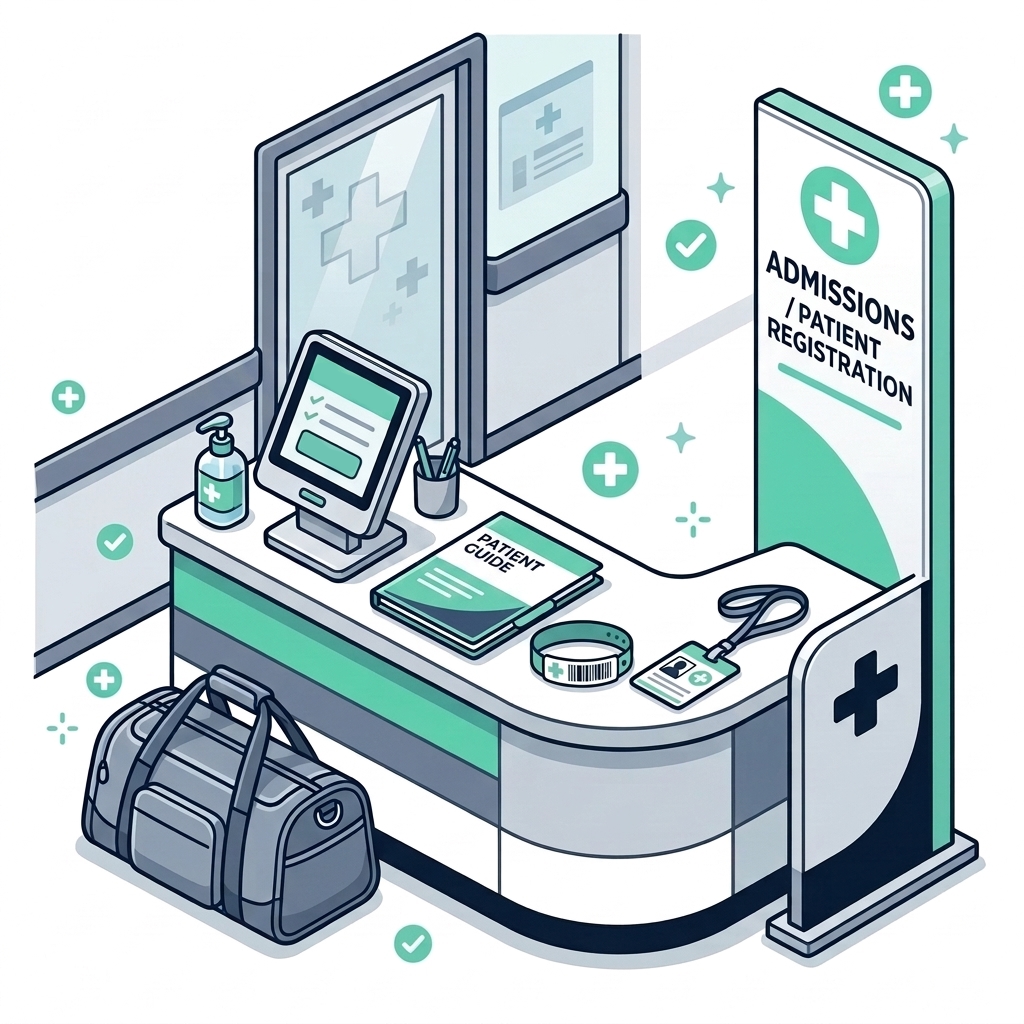
If your procedure is scheduled under a general anaesthetic, you must complete your designated hospital's formal admission paperwork prior to your procedure. Please note that this administrative registration is entirely separate from your standard clinic booking with our practice.
Completing your admission forms early ensures the hospital team can verify your private health insurance coverage, prepare your medical charts, and secure your theater slot.
Complete Your Admission Online
To make this process as easy as possible, check your booking confirmation pack to verify your designated surgical location, select the appropriate hospital below, and click the link to go directly to their digital admission portal.
Preparing for Surgery
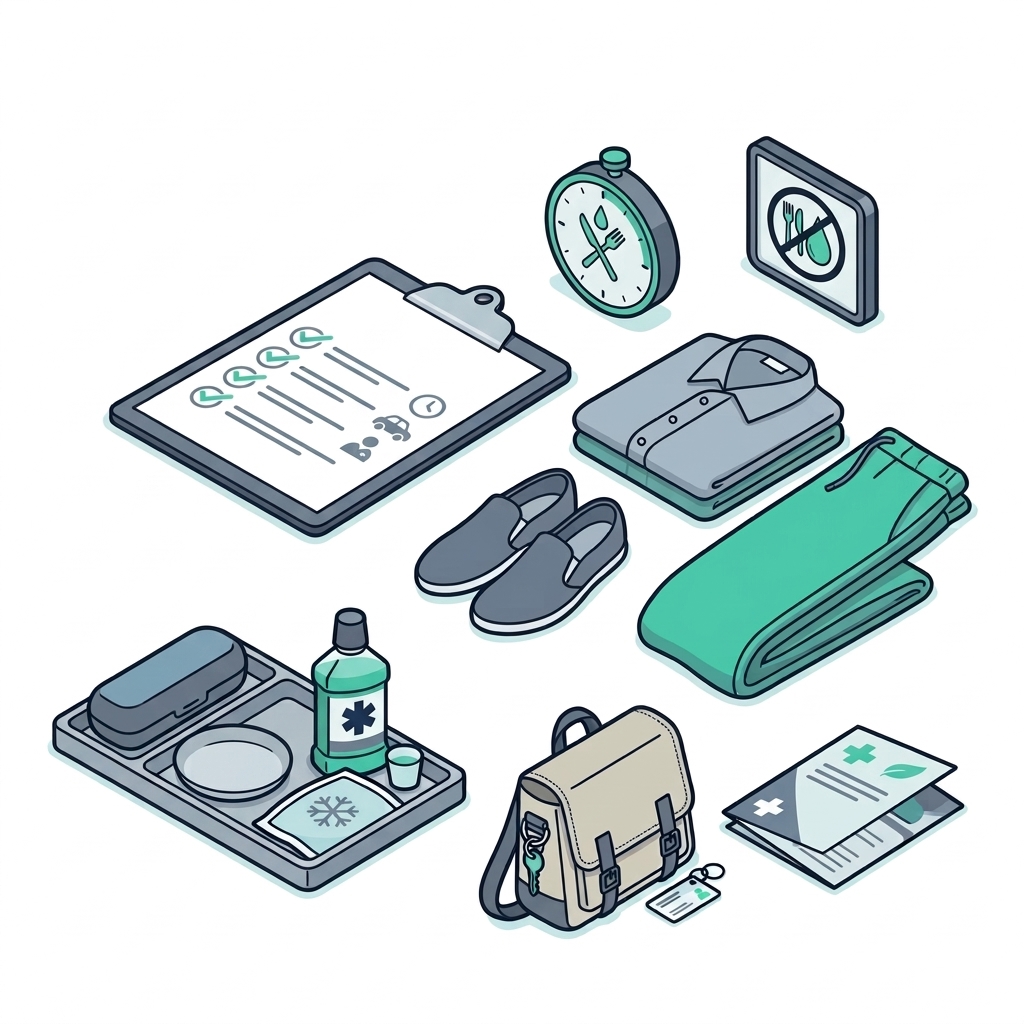
Proper preparation is vital to ensuring your procedure runs smoothly and safely. Following this timeline helps prevent delays or cancellations on the day of your surgery.

2 Weeks Before
Forms: Submit online hospital admission paperwork.
Care: Arrange a driver and 24-hour at-home care (for sedation/general anaesthesia).
1 Week Before
Fees: Settle your AWOMS surgical fees in full.
Foods: Stock up on soft options like soups and smoothies.
48 Hours Before
Health: Call 02 6041 6041 if you develop a cold, flu, fever, or cough.
Times: Re-verify arrival window and fasting schedule.
Surgery Day (Fasting Rules)
Local Anaesthesia: No fasting required. Eat and drink normally.
IV Sedation / General: Strict 6–8 hour fasting. No food, water, mints, or gum.
Surgery Day
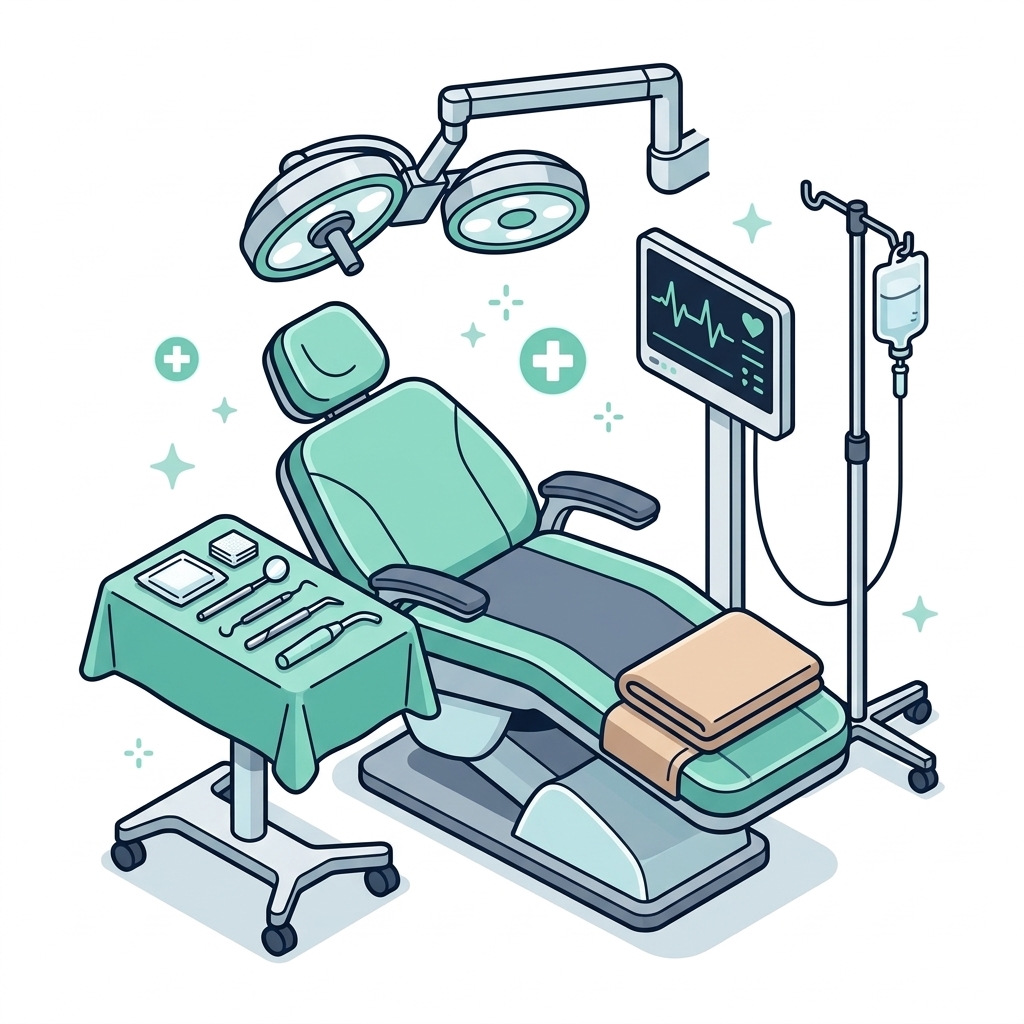
On the day of your procedure, our focus is entirely on your safety and comfort. Here is everything you need to know for a seamless experience from arrival to discharge.
-
Identification: Bring your physical photo ID, Medicare card, and private health fund card.
Clothing: Wear comfortable, loose-fitting clothes with short sleeves or sleeves that roll up easily.
Valuables: Leave jewelry and valuables at home. Remove all makeup and nail polish before arriving.
-
Local Anaesthesia: You may drive yourself home after your appointment.
IV Sedation / General Anaesthesia: You must have a responsible adult pick you up directly from the discharge area. You cannot drive or travel alone. A carer must also stay with you at home for the first 24 hours.
-
Punctuality: Arrive exactly at the check-in time specified in your booking pack.
Your Facility: Your surgery will take place either at your designated AWOMS clinic or your assigned regional hospital (Albury, Griffith, Wagga Wagga, or Wangaratta). Double-check your confirmation paperwork for the exact address.
Recovery

Your post-operative care is vital to ensuring proper healing and preventing complications. Please follow these direct, mobile-friendly recovery guidelines closely during your initial healing phase.
-
Pain Relief: Take your prescribed pain medications exactly as directed by your surgeon, ideally starting before the local anaesthetic completely wears off. Do not exceed the recommended daily dosage.
Antibiotics: If you were prescribed antibiotics, complete the entire course even if you feel fine.
Avoid Aspirin: Unless specifically instructed by your surgeon, do not take aspirin or medications containing aspirin, as they can thin your blood and increase bleeding at the surgical site.
-
First 24 Hours: Stick strictly to cold or room-temperature soft foods and liquids (such as smoothies, yogurts, and cooled soups). Avoid hot foods and drinks, as heat can dissolve blood clots and cause bleeding.
Chewing: Avoid chewing directly on the surgical site. Gradually reintroduce solid foods as your comfort allows.
No Straws: Do not drink through a straw for at least 7 days. The suction pressure can dislodge the healing blood clot, causing a painful condition known as dry socket.
-
Peak Swelling: Swelling and minor facial bruising are completely normal reactions to surgery. Swelling typically peaks 48 to 72 hours after your procedure before gradually subsiding.
Cold Packs: Apply an ice pack wrapped in a cloth to the side of your face for 20 minutes on, then 20 minutes off, during the first 24 hours.
Head Elevation: Keep your head elevated with an extra pillow when resting or sleeping for the first 2 to 3 days to help reduce swelling.
-
Day of Surgery: Do not brush the surgical area, spit forcefully, or rinse your mouth on the day of surgery. Doing so can disrupt the wound.
Day After Surgery: Gently brush your other teeth normally. Rinse your mouth very gently with warm salt water (half a teaspoon of salt in a glass of warm water) 4 to 5 times a day, especially after eating.
-
Rest: Rest quietly at home on the day of your surgery.
Strenuous Exercise: Avoid intense physical activity, heavy lifting, or strenuous sports for at least 3 to 5 days post-surgery. Elevated heart rates can trigger bleeding and increase swelling.
Work/School: Plan to take at least 1 to 3 days off work or school, depending on the complexity of your procedure and your surgeon's recommendation.
-
Minor Oozing: Pink or blood-tinged saliva is completely normal for the first 24 hours. If active bleeding occurs, place a clean, damp gauze pad directly over the wound and bite down firmly with steady pressure for 30 minutes while sitting upright.
Stiffness: You may experience temporary jaw stiffness or difficulty opening your mouth fully. This will gradually improve over the coming week.
-
Contact our clinical team immediately if you experience any of the following symptoms:
Active bleeding that does not stop after applying firm, direct gauze pressure for 30 minutes.
Severe, throbbing pain that is not relieved by your prescribed medications.
A sudden, significant increase in swelling after the third day.
A persistent high fever or chills.
Difficulty swallowing or breathing.
-
For all post-operative concerns during business hours, call our central desk directly on 02 6041 6041. If you experience a severe medical emergency after hours, please present directly to your nearest hospital emergency department.
Need Help?

We understand that you may have questions at different stages of your surgical journey. To ensure you receive the right assistance quickly, please use the guidance below to reach the appropriate team.
-
For all standard inquiries, booking changes, fee questions, or non-emergency clinical concerns, please contact our centralized administrative desk directly:
📞 Phone: 02 6041 6041
📧 Email: desk@awoms.com.au
Our team coordinates care seamlessly across all of our regional footprints, whether you are a patient at our Albury, Griffith, Wagga Wagga, or Wangaratta clinic hubs.
-
If you have recently undergone surgery and are experiencing an urgent clinical concern outside of regular business hours (such as severe, uncontrolled bleeding, acute breathing difficulties, or a sudden and extreme increase in swelling):
Check Your Discharge Pack: Please refer to the specific after-hours emergency contact instructions provided in the physical paperwork pack handed to your carer upon discharge on your surgery day.
Hospital Surgical Patients: If your procedure was performed under a general anaesthetic at one of our partner private hospitals (Albury Wodonga Private, St Vincent's Private Griffith, or Insight Private Wangaratta), you can contact the hospital's day surgery or overnight ward directly using the numbers provided in your admission pack for immediate nursing advice.
Severe Emergencies: If you experience a severe medical emergency, call 000 immediately or present directly to the nearest hospital emergency department.